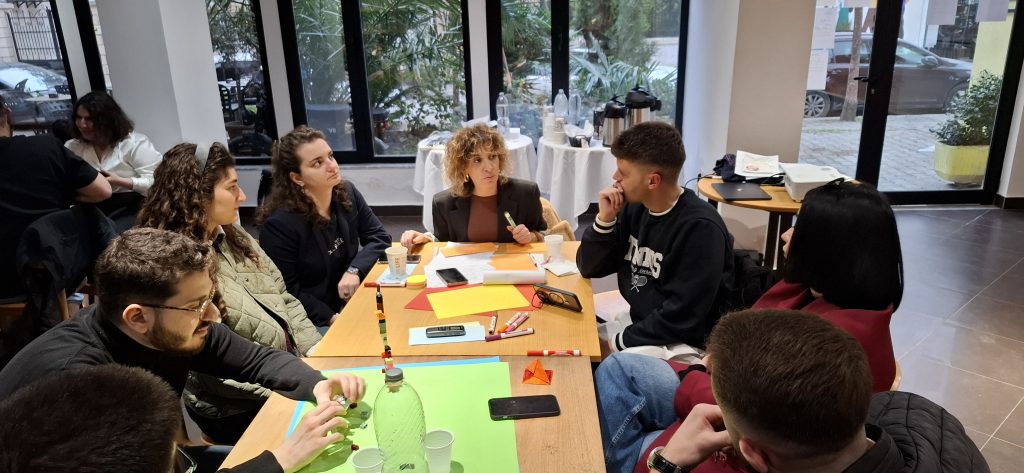
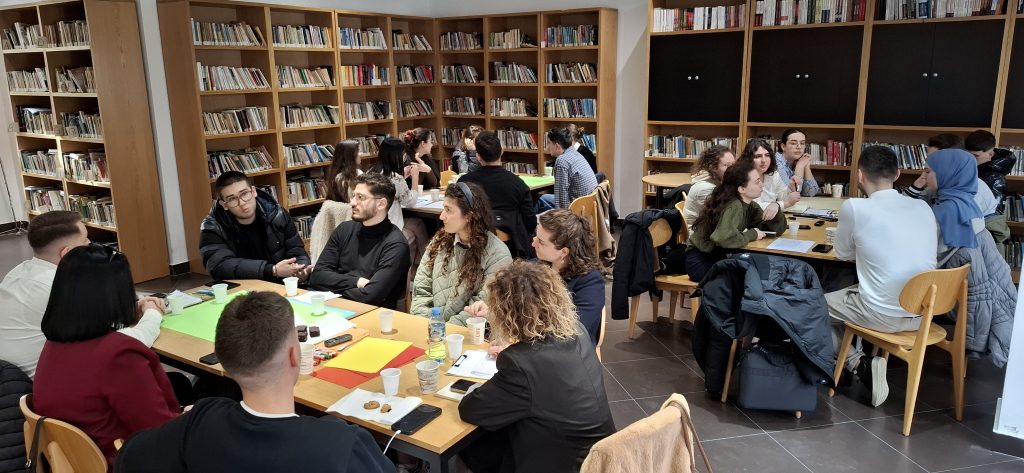
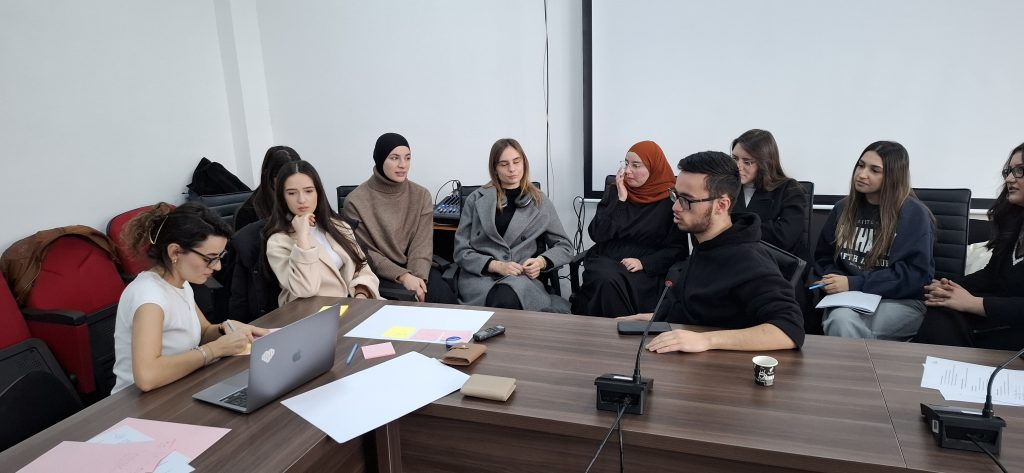
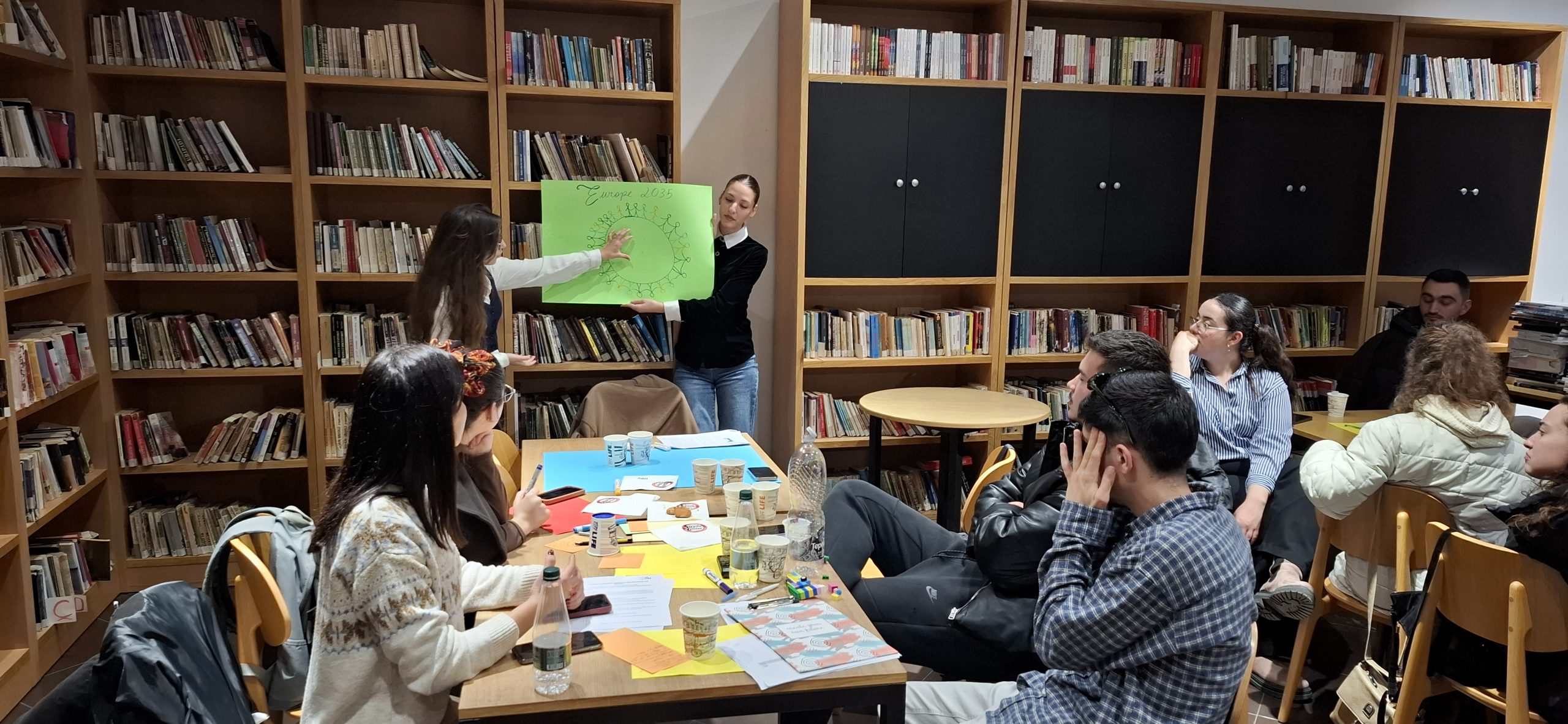
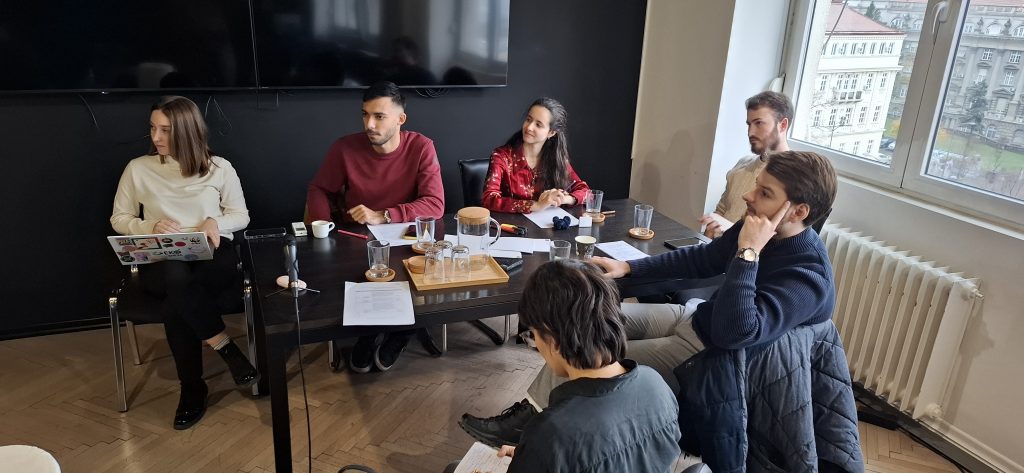
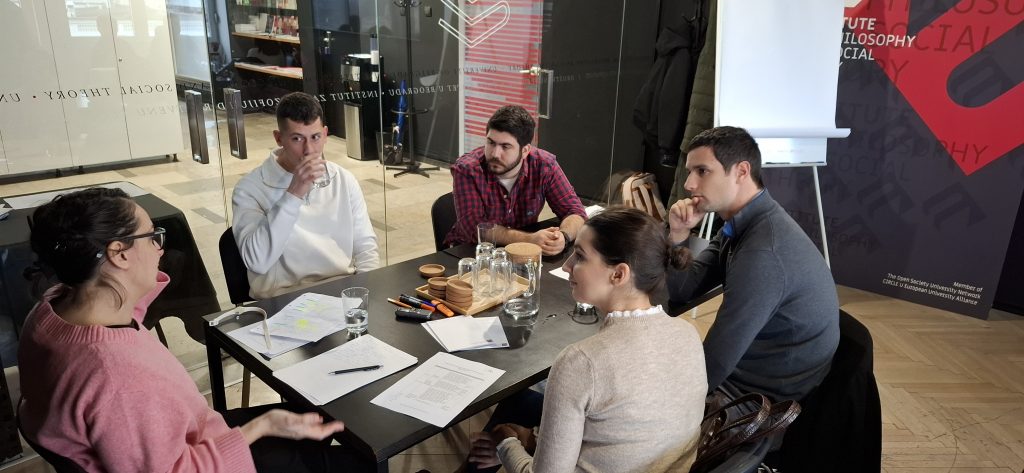
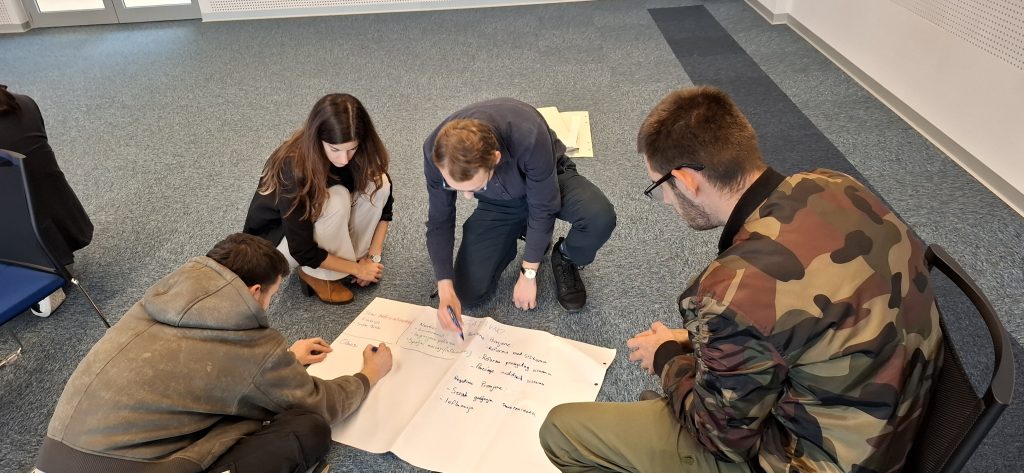
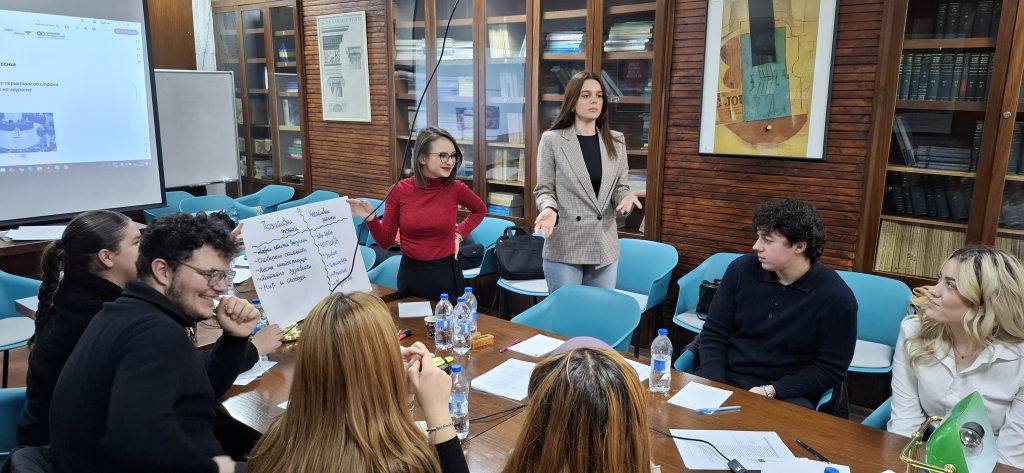
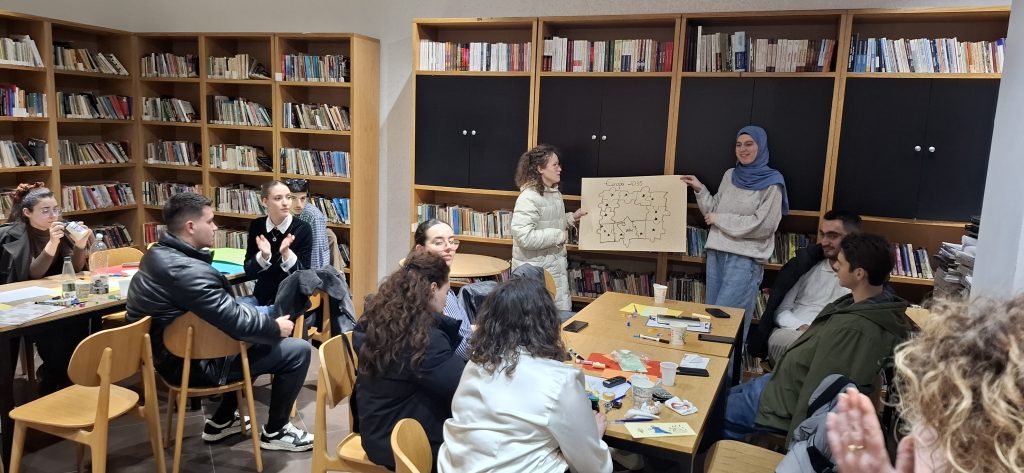
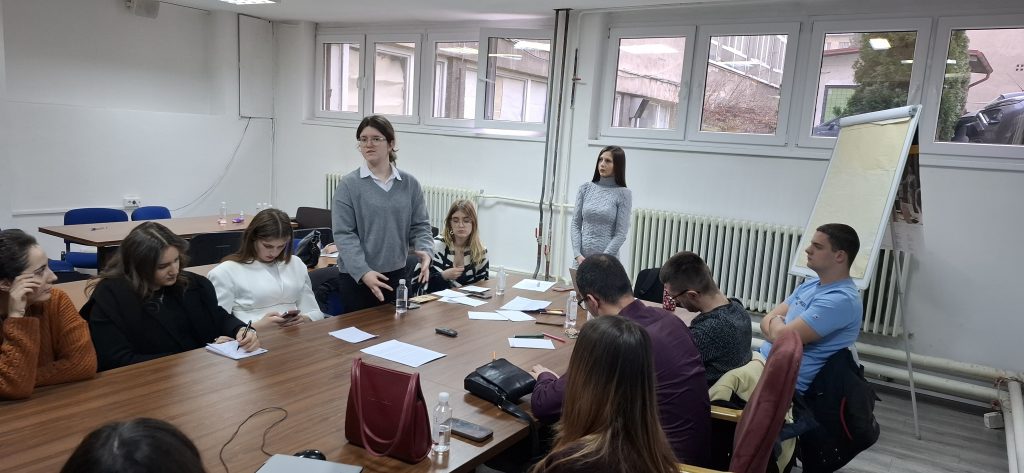
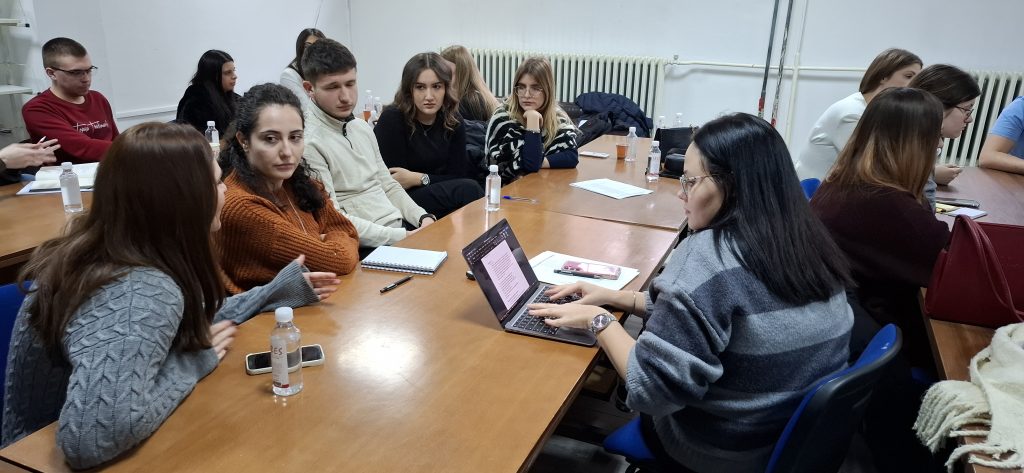
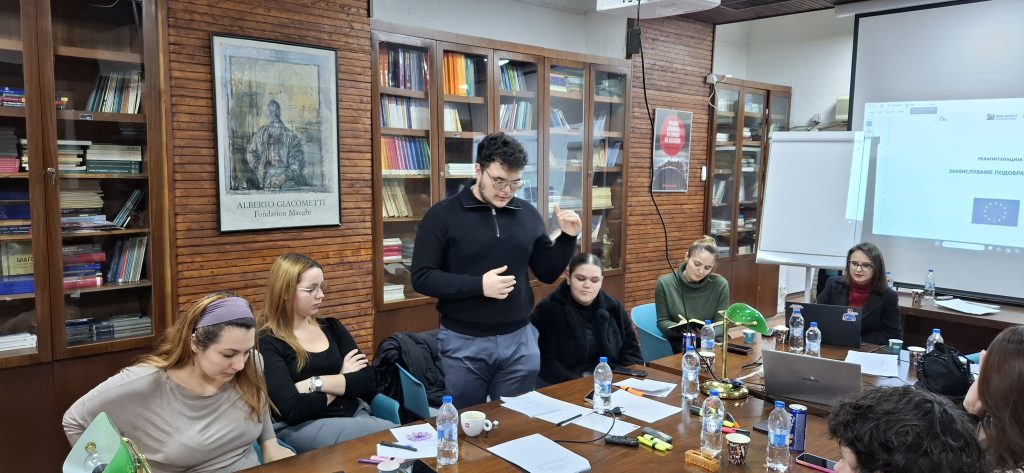
During November and December, six youth deliberative workshops were held across the capitals of the Western Balkans, in Podgorica, Belgrade, Skopje, Tirana, Pristina, and Sarajevo. The participants were Generation Z undergraduate students from different cities within each host country.
The workshops aimed to engage young people in meaningful discussions about the European Union, its current role and its future in an increasingly complex world, and the role of youth in shaping that future. Participants were encouraged to reflect on their own countries’ prospects for European integration, identifying both the key advantages of joining the EU and the main obstacles encountered along the way.
Although the workshops addressed similar themes, the discussions were shaped by local contexts, reflecting differences in the pace of integration and public attitudes toward the EU. For instance, youth from Montenegro and Albania, where accession negotiations are progressing at a faster pace, focused on questions about what comes after integration, the benefits and potential difficulties and changes in lifestyle that membership in the European Union brings. This approach reflected the optimism that joining is a realistic possibility in the near future.
In contrast, participants from other countries expressed concern about the slow progress of the integration process and declining public trust in the EU and its institutions, implying a pessimistic attitude towards EU integration prospects. In these workshops, the participants focused on arguments as to why integration is still important and should not be overlooked, regardless of the public’s fatigue and disappointment with prolonged negotiations and common anti-EU rhetoric.
Despite these differences, several common viewpoints emerged. Concerns were voiced about the EU’s internal challenges, particularly the growing threat of autocratization within Europe, as well as the external pressures and foreign policy challenges affecting the Union’s cohesion and credibility.
Participants widely agreed that youth engagement in decision-making should be strengthened and that European policymakers must place greater emphasis on addressing the needs and perspectives of young people. They also underlined the importance of learning from positive European experiences, regardless of their countries’ current stage in the integration process, implying that reforms compatible with EU standards are necessary, not only for the sake of joining the EU, but also because they represent best-known practices.